A school food revolution? We started it a decade ago!
There’s been a lot of talk lately about the government’s overhaul of school food standards coming into effect in England from next September, with more fruit and veg, wholegrains and pulses making a mandatory appearance on the menu. We couldn’t agree more! And it is something we have been doing for nearly 10 years now.
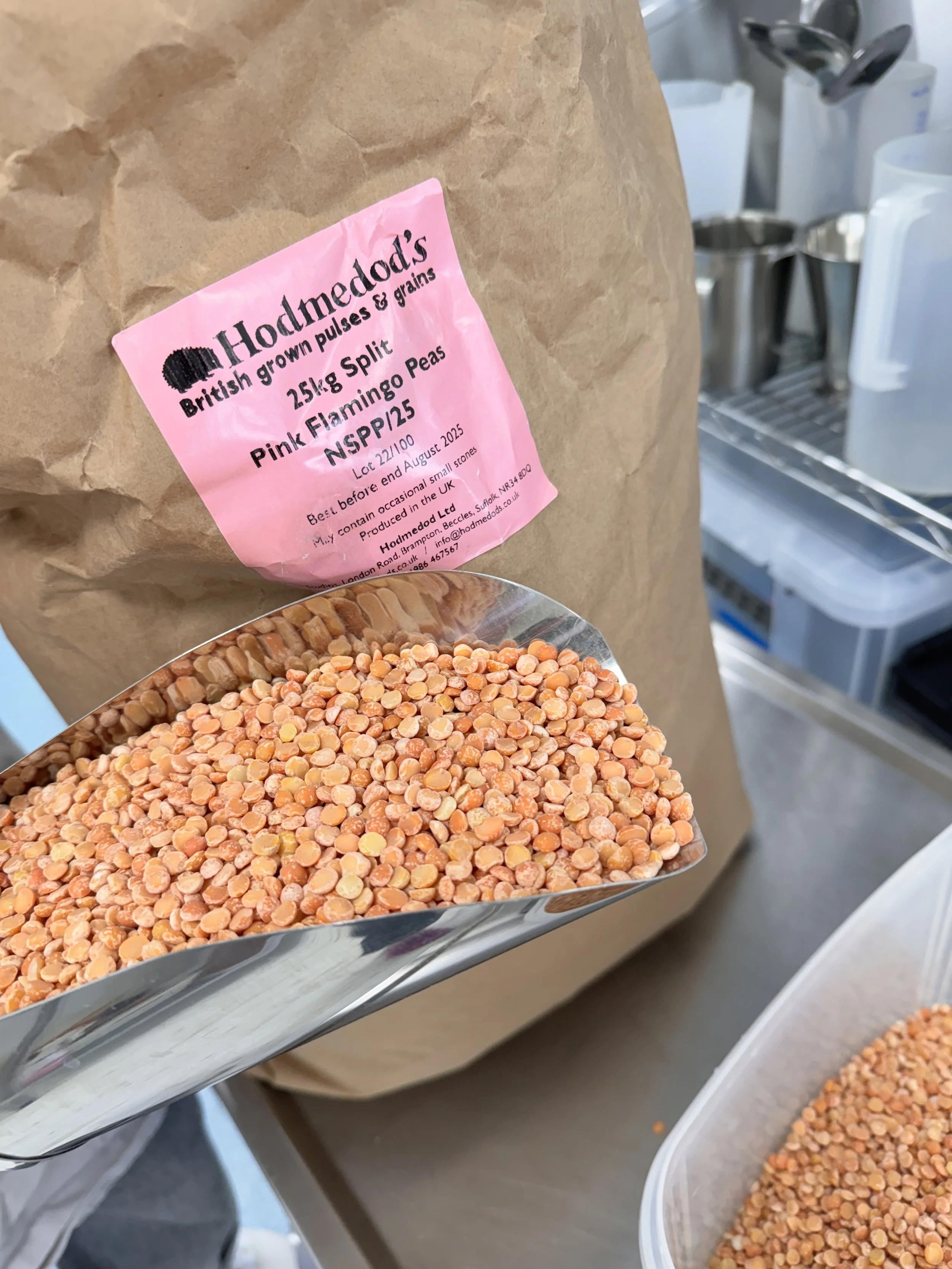
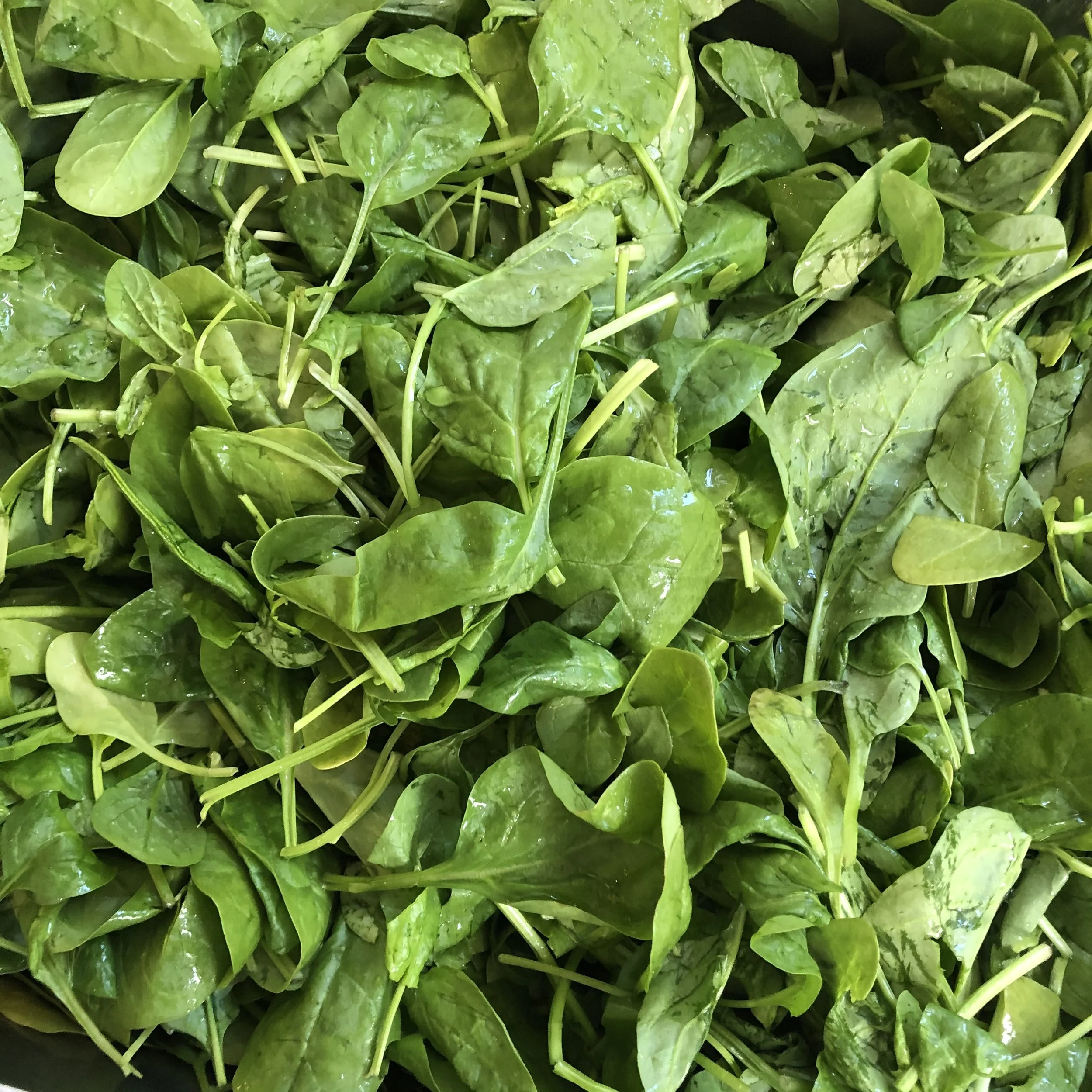
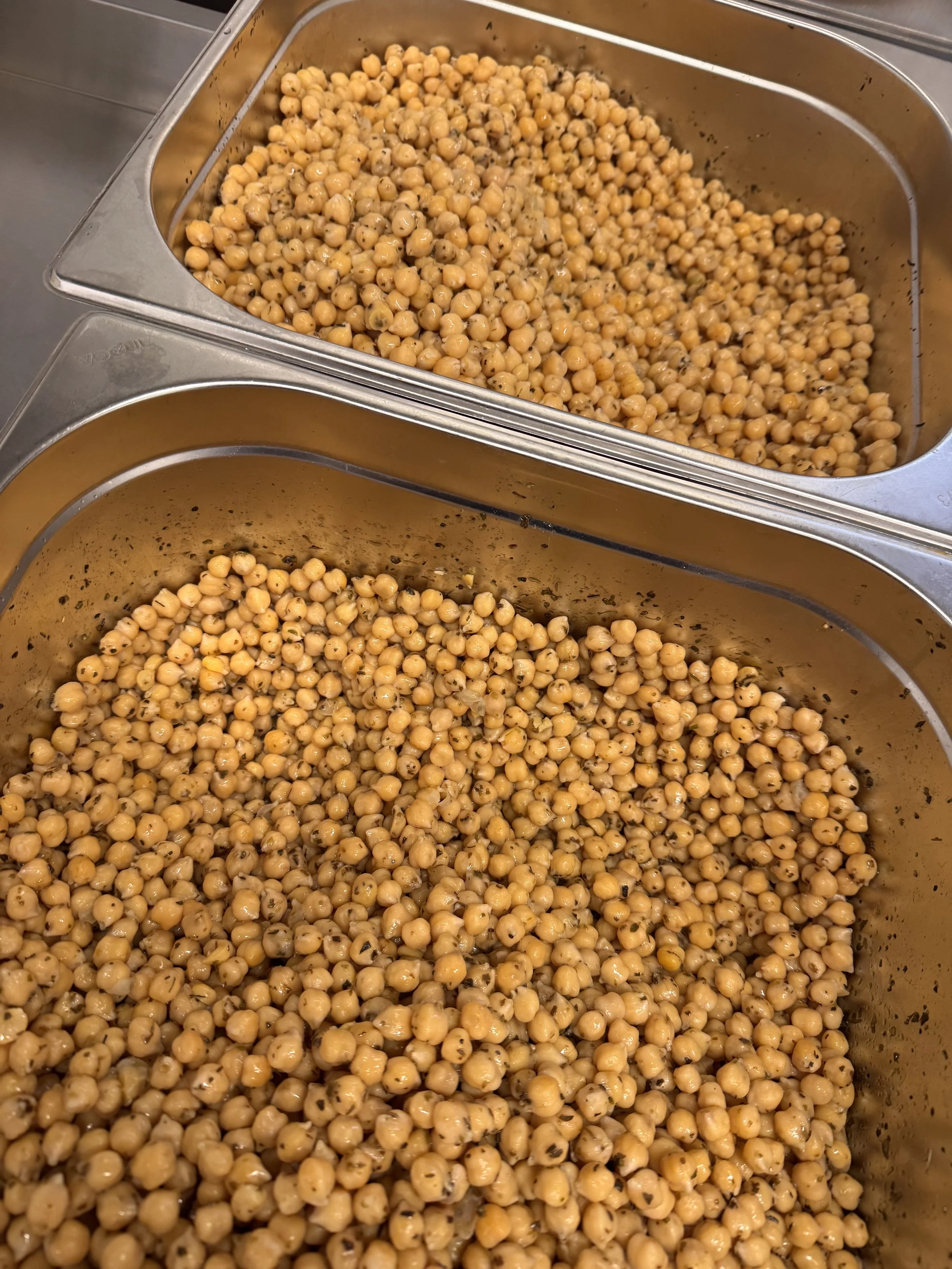
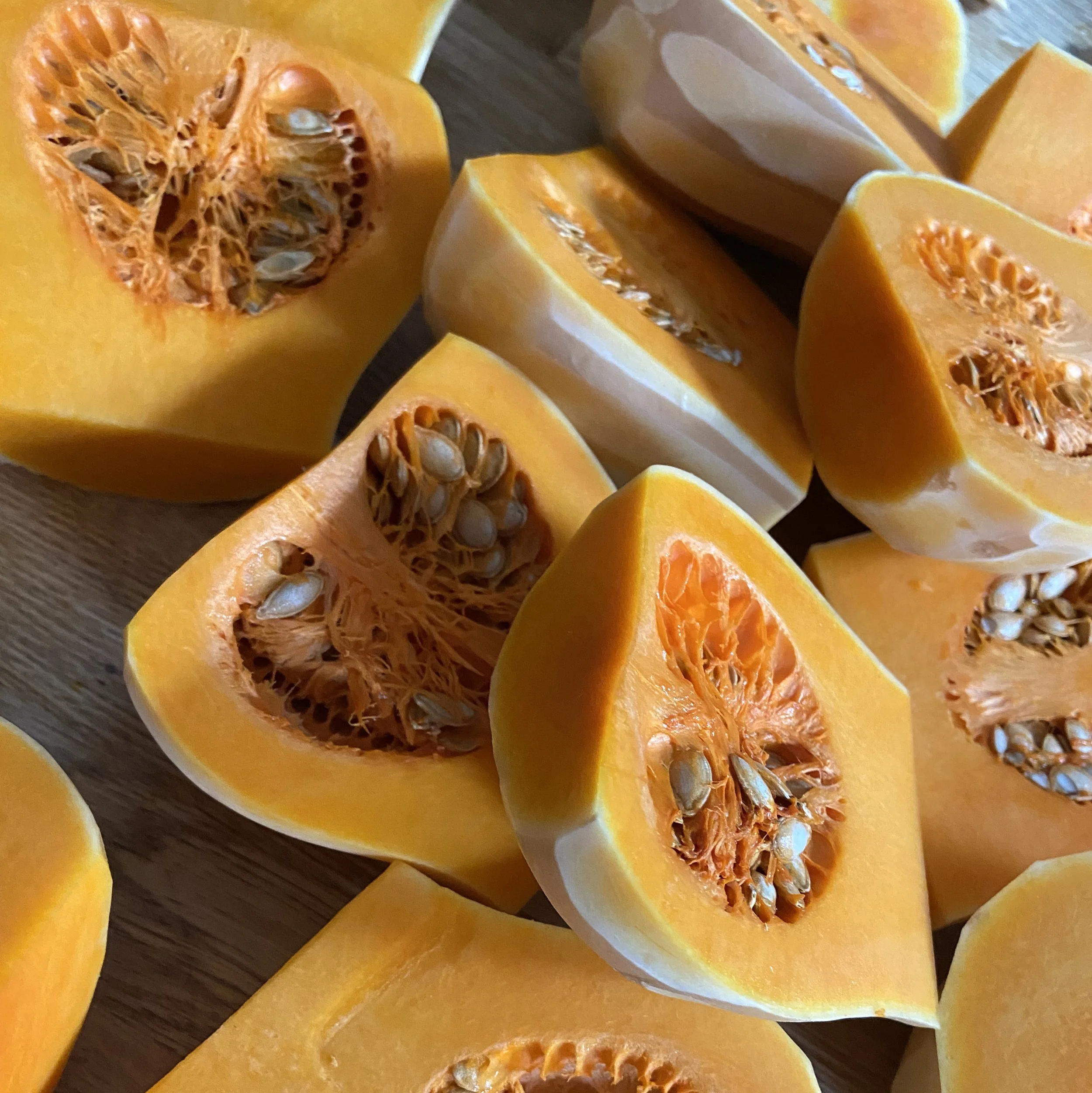
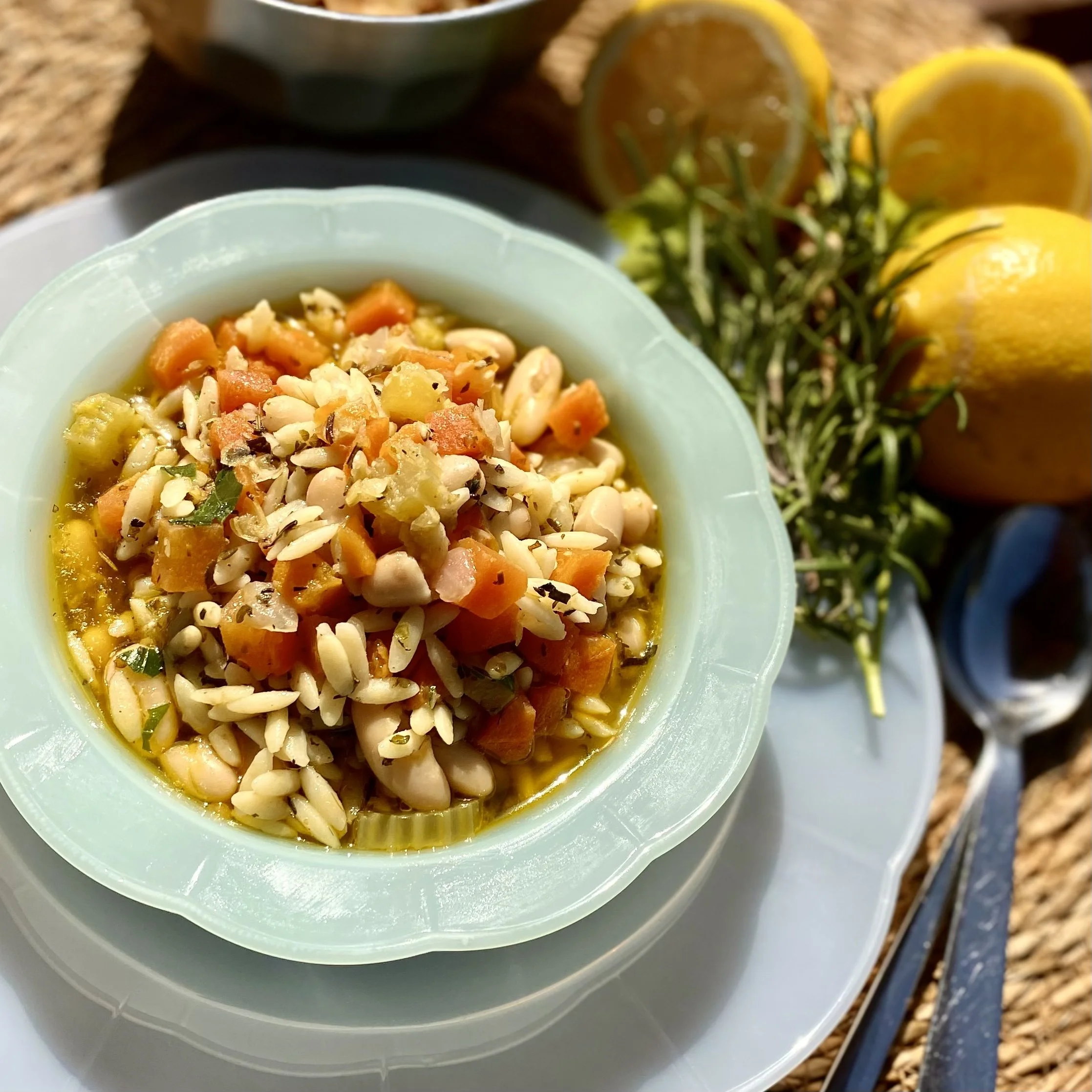
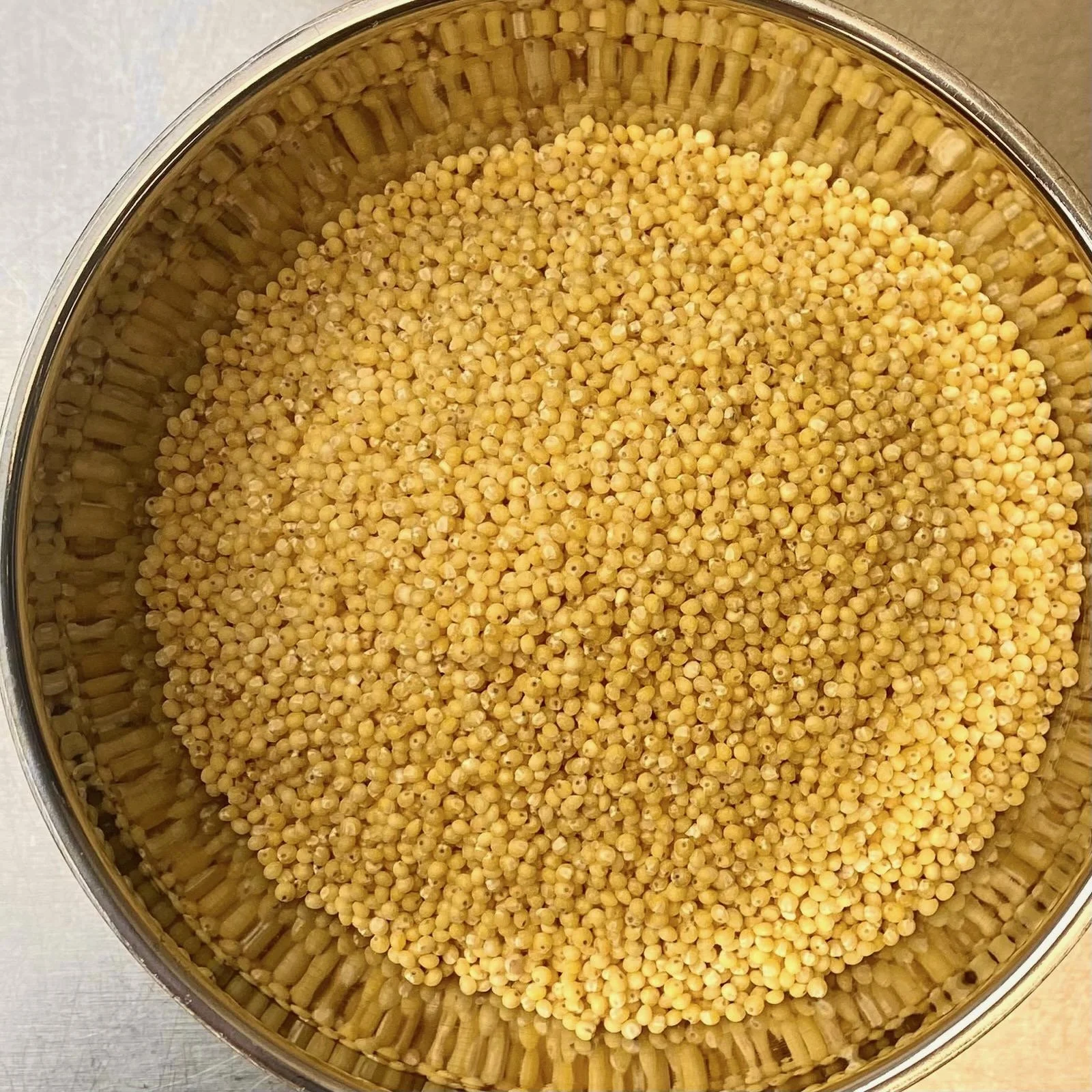
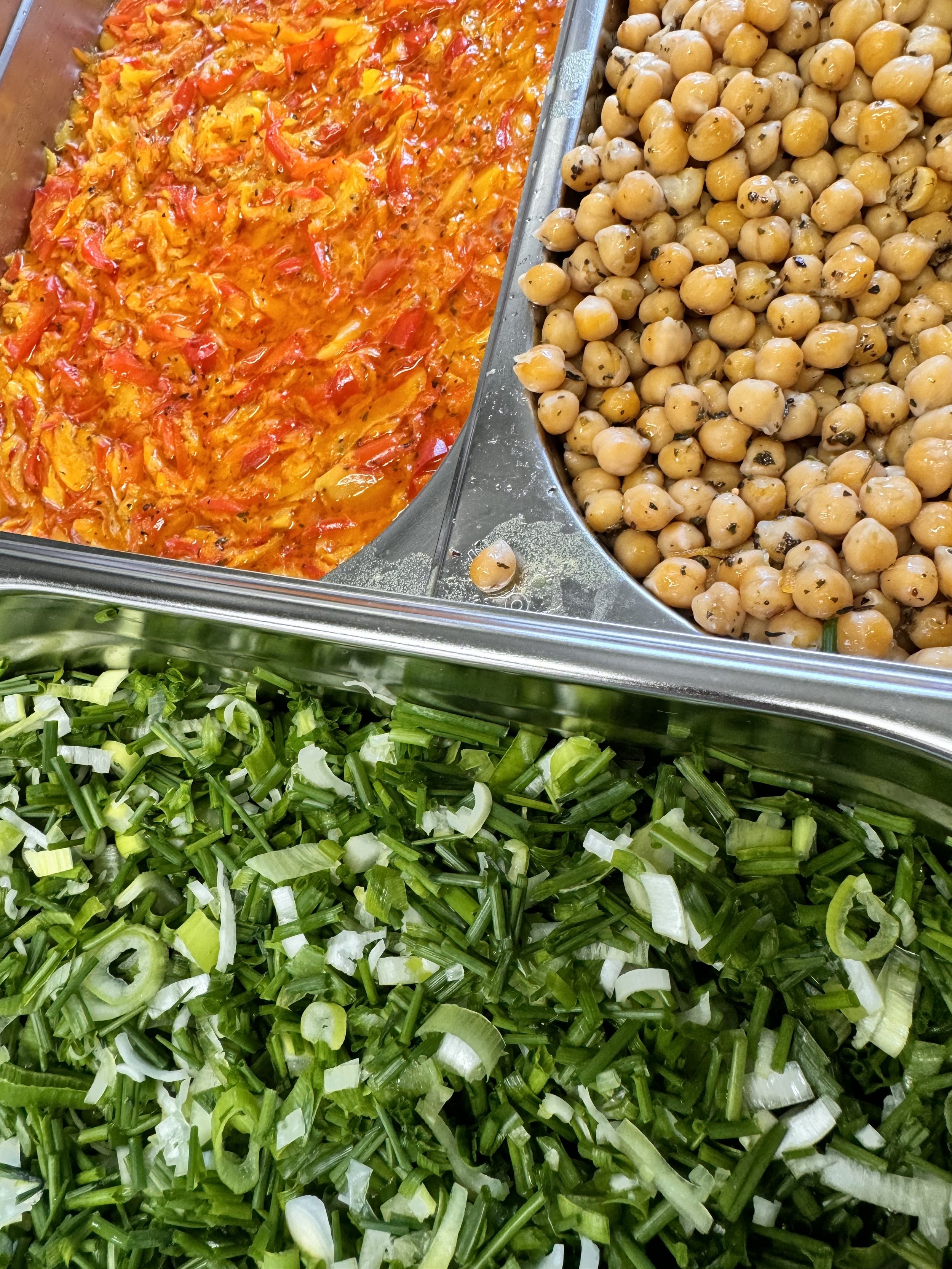
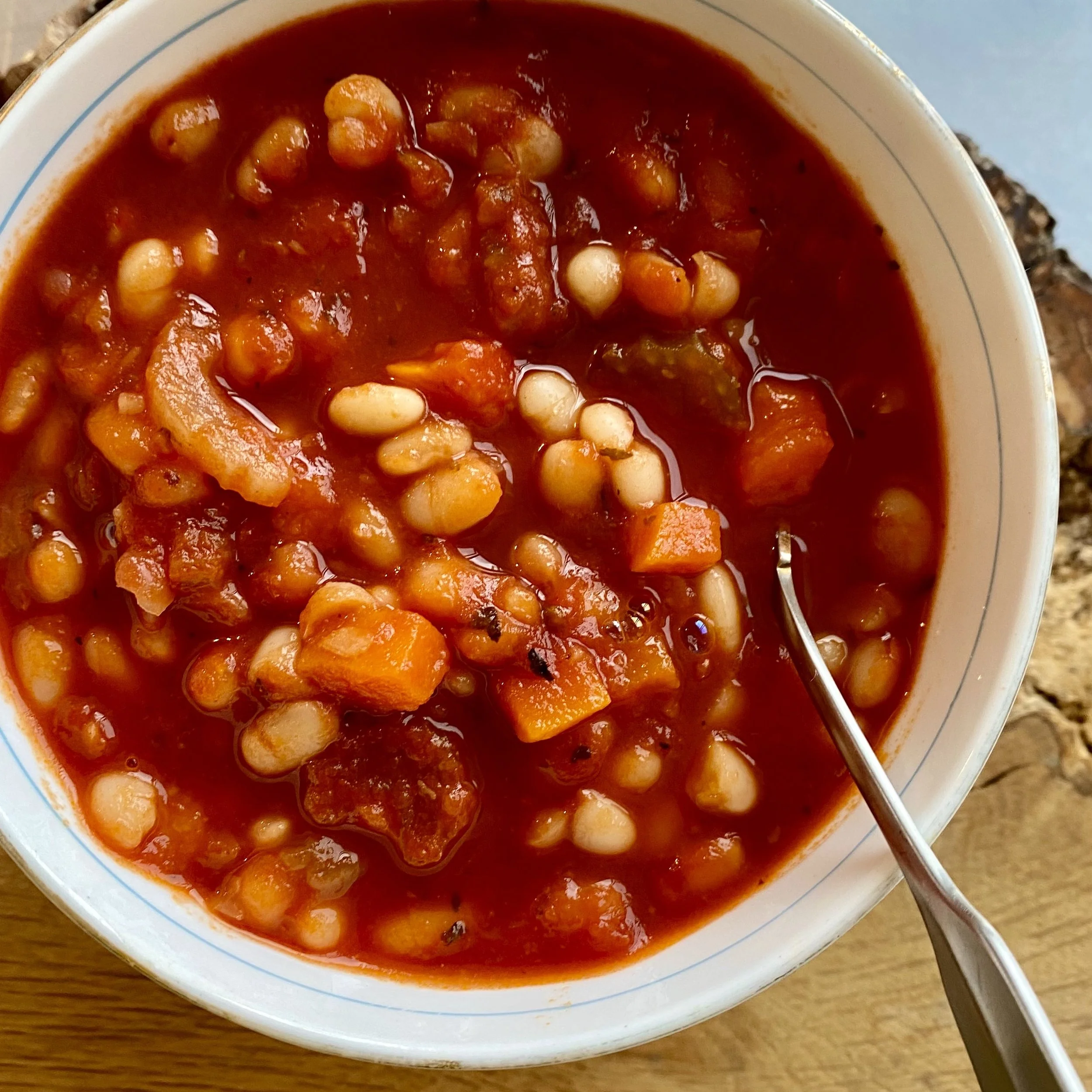
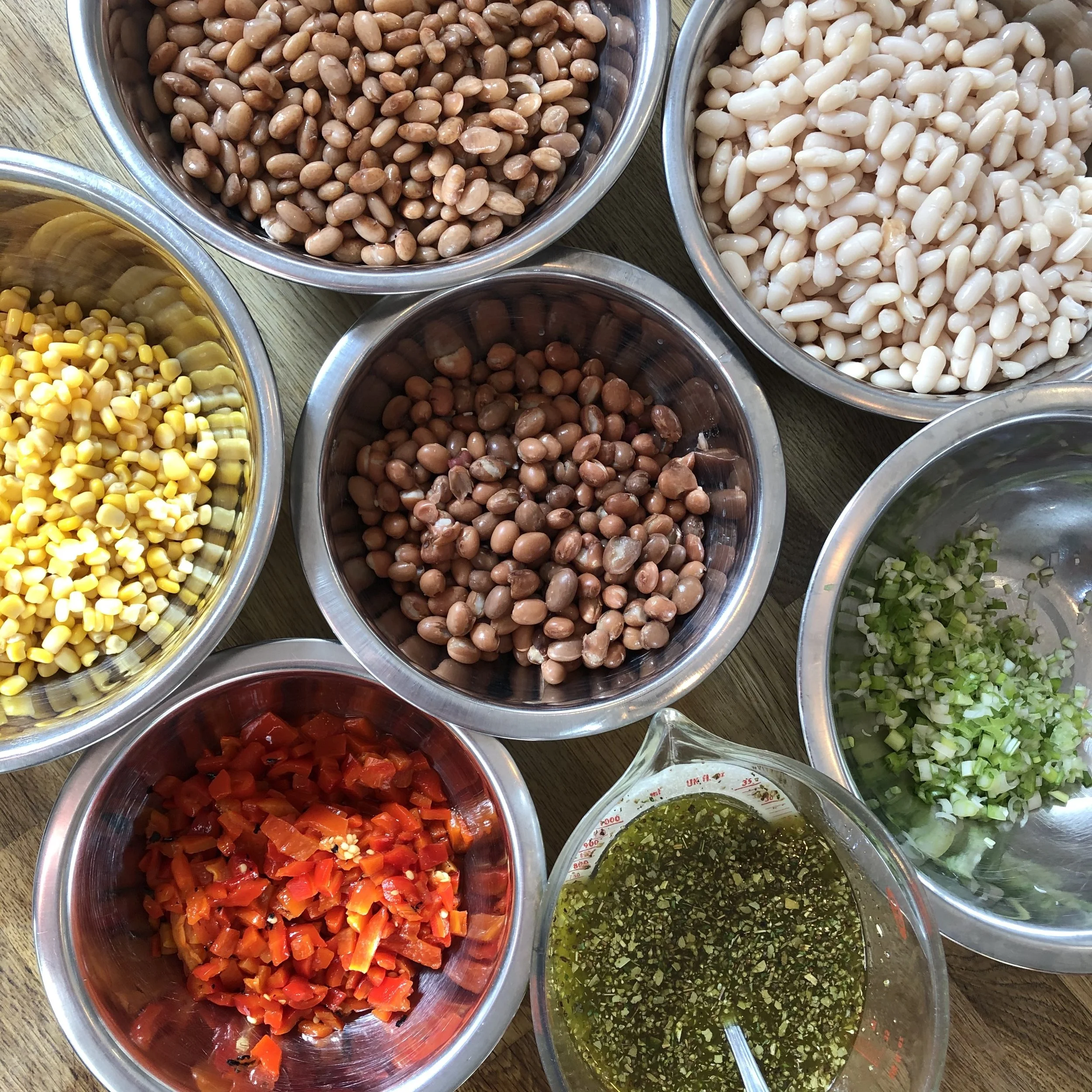
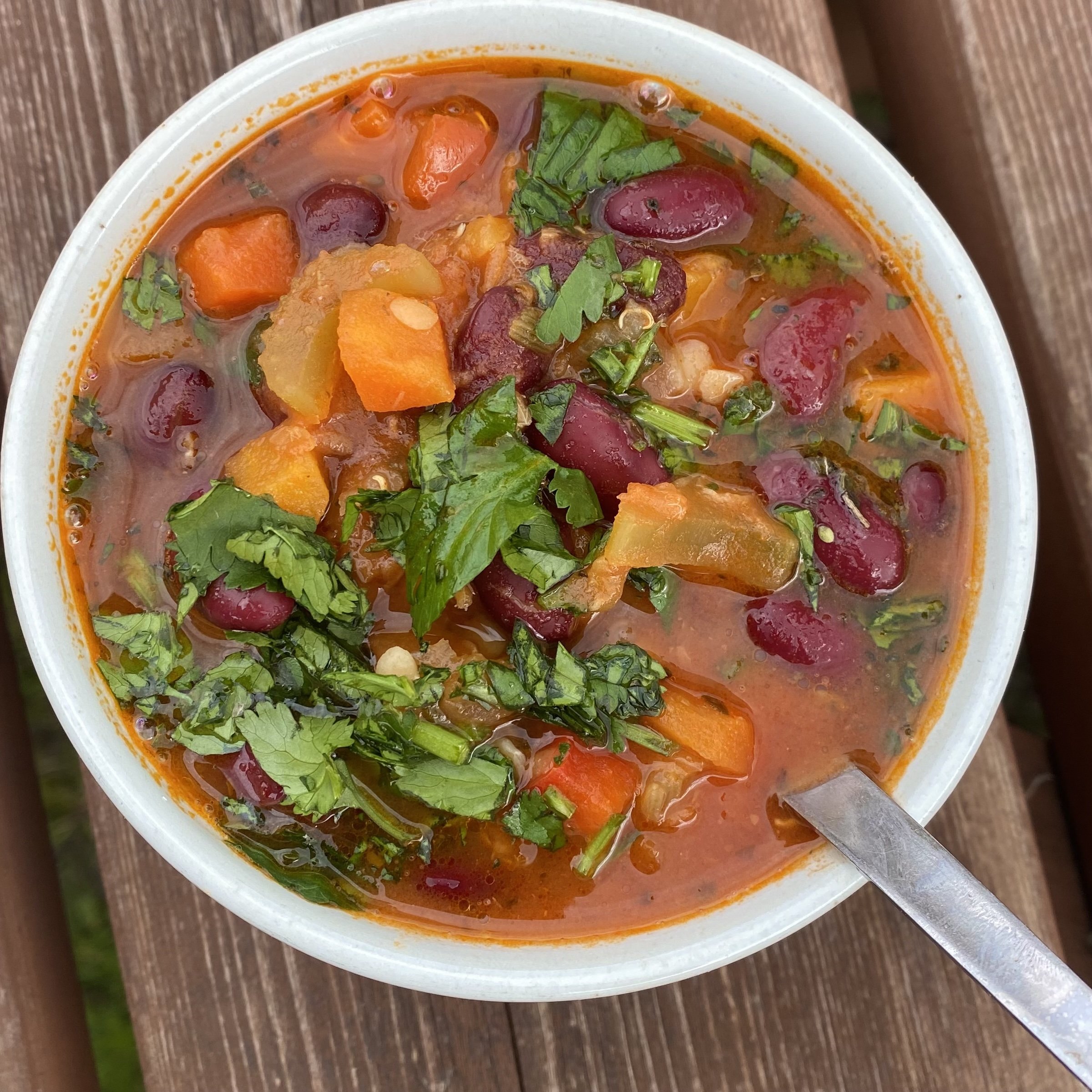
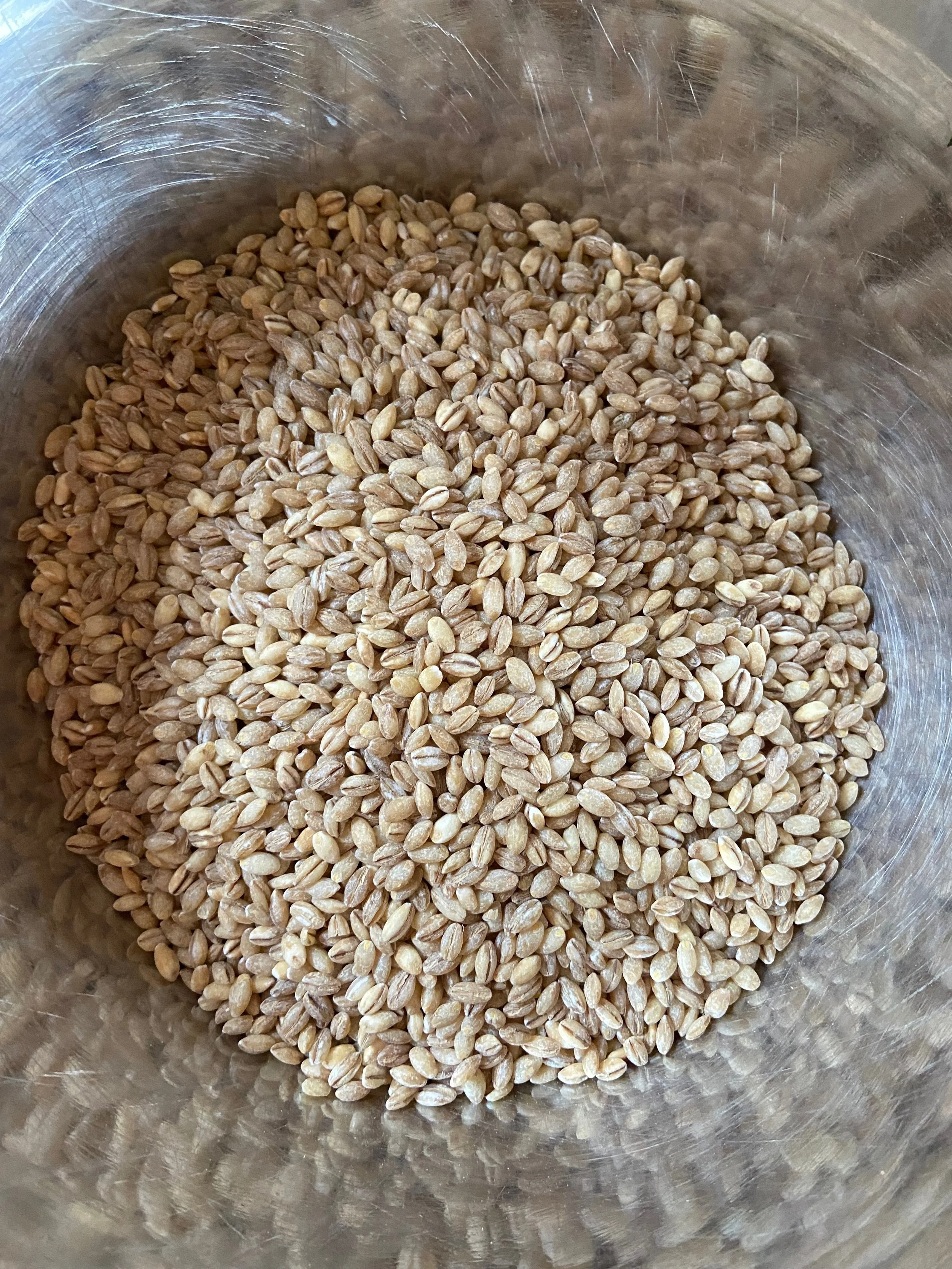
The proof is in the (chia) pudding! We started in 2016, making 75 wholesome lunches a week for a local nursery in Wimbledon and now supply over 2,500 meals weekly to nurseries in London and the South East. We produce delicious, plant-based dishes packed full of fresh vegetables, planet-positive pulses and simple grains - in any given week, children enjoying our meals will eat over 30 different fruit and vegetables and at least seven different grains and pulses, all cooked from scratch as you would at home, only in bigger pans! What’s more, our tried and tested early years catering is not only loved by children but by parents and nursery teams too. (Read our reviews.)
It is well known that cultures that eat a good diet, rich in vegetables, pulses and simple grains, have some of the best health and longevity globally. Think Blue Zones (regions with the highest concentrations of centenarians such as Okinawa in Japan) which share a dietary core that is 95% to 100% plant based. Their daily meals feature plentiful legumes, seasonal vegetables and whole grains. Or the Mediterranean diet - long-term studies on populations in Greece and southern Italy show that traditional diets rich in olive oil, vegetables, legumes and whole grains correlate with a significantly increased life expectancy.
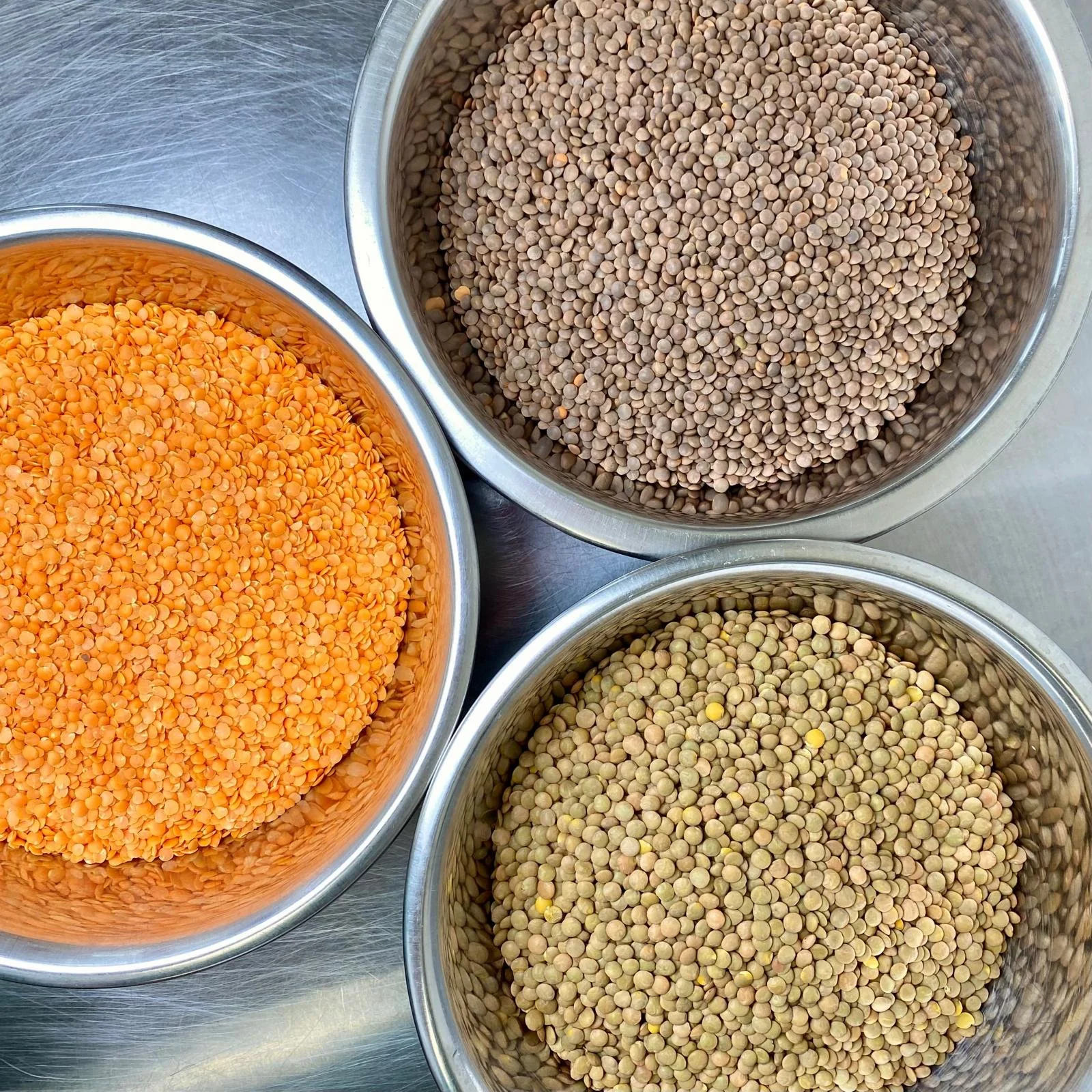
It’s also nothing new. Pulses have been consumed for over 10,000 years and are a staple of many diets around the world. No doubt because they are a fantastic source of protein, complex carbohydrates and fibre, as well as a significant source of vitamins and minerals, including iron, magnesium, zinc and folate (an essential B vitamin). Red kidney beans, for example, are loaded with antioxidants and have a higher antioxidant content than blueberries or pomegranate. All of which are vital to children’s growth and development, while also supporting digestive health and regulating energy levels.
Not only are pulses healthy and wholesome, these nutrient-packed powerhouses are also good for the planet. Pulse crops have one of the lowest carbon footprints of any food group. They enrich the soil where they grow and are highly water efficient. The production of a kilo of lentils needs between 2,000-4,000 litres of water, while a kilo of beef requires over 15,000 litres. Cooking for little children means we think about their future and we take very seriously the challenge of making as little environmental impact as possible.
Introducing children to a wide variety of foods from an early age helps them get used to trying different tastes and textures and will inspire them to develop a love of healthy food, something we at Two Teaspoons are passionate about. Before you know it, they’ll be chanting ‘Bean soup, bean soup!’ as our little customers do!